
The Alternative to Transhumanism

If transhumanism is the wrong answer to the questions of human progress, then what is the right answer? It is in the harmony of moderation away from extremes through which we most commonly find our greatest expedience, and through the wisdom acquired, a better understanding of all that is good. When we better understand our ability to do good, we can do more good, and that is freedom. We need an alternative to trans-humanism, and this is the core of that project, in my opinion (Plasterer, 2025). The point is not to augment human capabilities with technology, but optimise human abilities.
Realisation of Loss and Internal Moderation
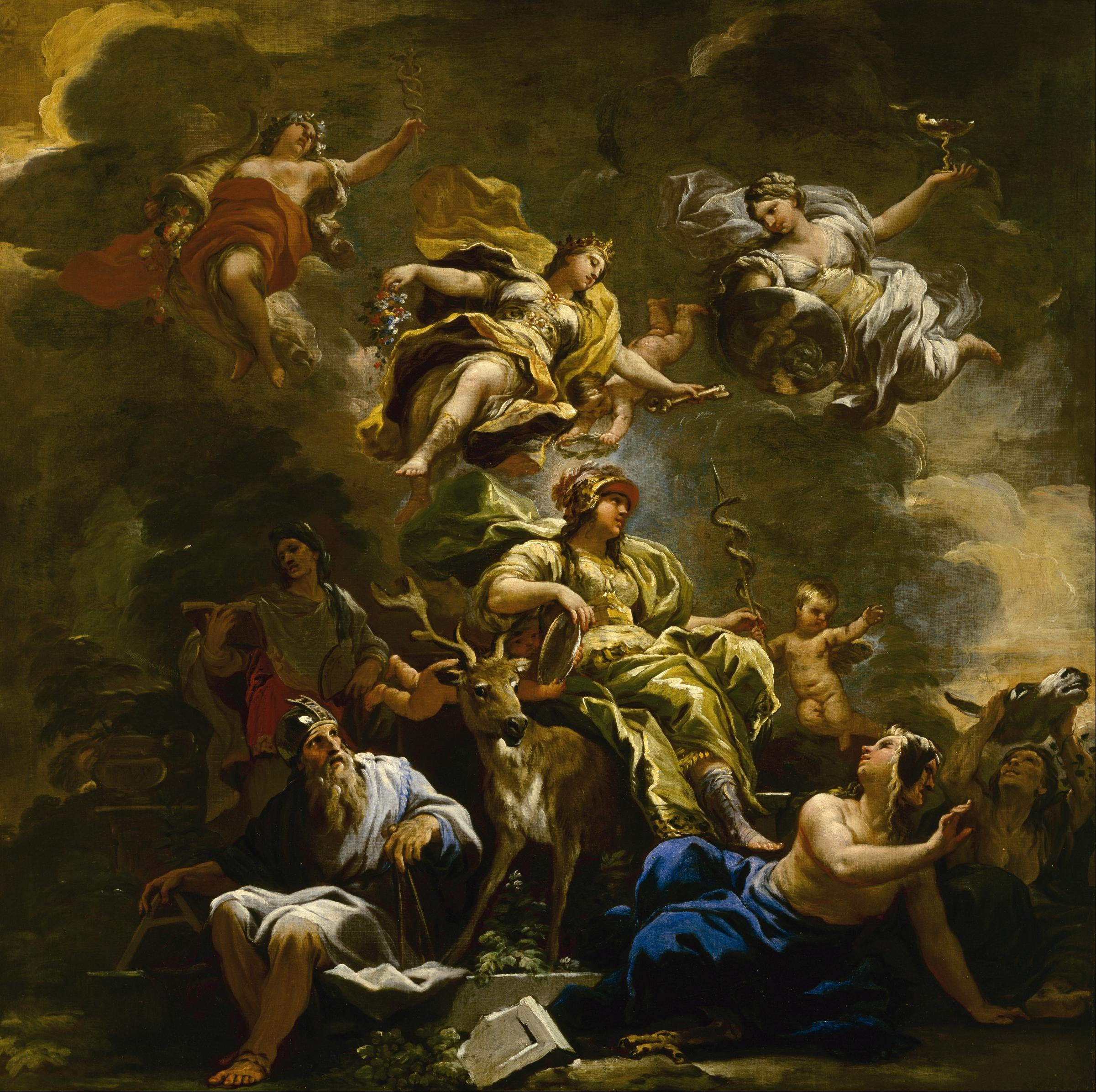
Full realisation of loss in contrast to cost of excellence leads to more internal moderation through prudence because this is where we begin to care-take the moments for the eternal things they are (Grudem, 2018). This is the attraction of ethics, morality, and the higher ideals (Roe, 2025i). All actions are irreversible, as each moment eternal, and sin only forgiven in the grand scheme through grace received by steadfastness in Logos, His Word, as risen. Progress is progress but progress is also progress, meaning that it cannot be achieved through repeating errors past the point of the lesson in value terms (Roe, 2025e).
True Faith in Christ

True Faith in Christ is only performed by walking in the footsteps, as imperfect things, yet still fulfilled by mere application of Love, first to God and then to neighbours, and even strangers with full knowledge and pride that some will surpass you in it (Ellison, 2012). This is all within and stemming from Logos, surmountable by any spiritually pro-active person. What is it to be spiritually pro-active though? It is Paulus’s constant prayer, an engagement in Logos at all times, and it was no different from the celestial Kingdoms of Heaven in the end of it, our greatest possible experience (Denner, 2024). Paulus had already found the Heavenly Domains, through self-dispossessing in accompaniment to God’s universals through particulars (Roe, 2025f). He wished to pass on this fulfilment to all peoples, and believed in their potential to do so, as surpass even himself.
The Impossibility of Time Travel and Revelation of All Things
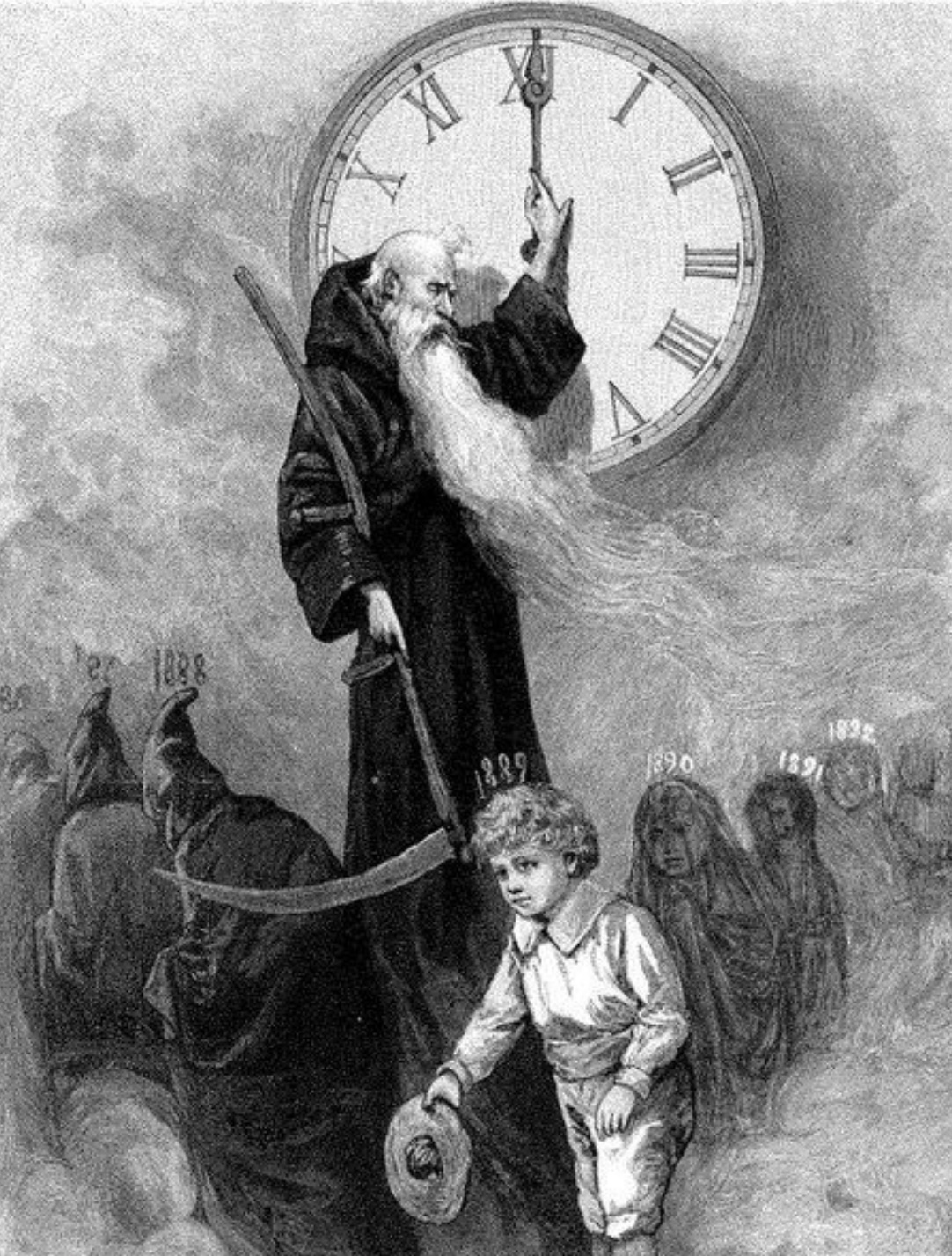
How can you go about and sin after coming to the full knowledge of God residing in you? All things will be revealed, all secrets uncovered, and all sins accounted for (Roe, 2025h). It would seem blatantly obvious to anyone that simple time travel is impossible but some kind of extraction of information from the material plane may someday make the reconstruction for visible replay of past events theoretically plausible, which means all would be revealed, in due course. The time travel science fiction trope presumes that time can be manipulated in some way, however time is the greatest constant to experience. We rather often presume that because our own experiences in all things have a beginning and end that time too must have the same. So time is rather seen as this limited or malleable thing. However there is no evidence for this. The notion is absurd. Time is the great constant barrier to life in the material domain. Time as experienced by Life is a perspective of material decay, Life being the energetic material. Decay is part of the process for manifest material moving back into energy, with life being factor against decadence, against atrophy.
Time as a Feature of Energy
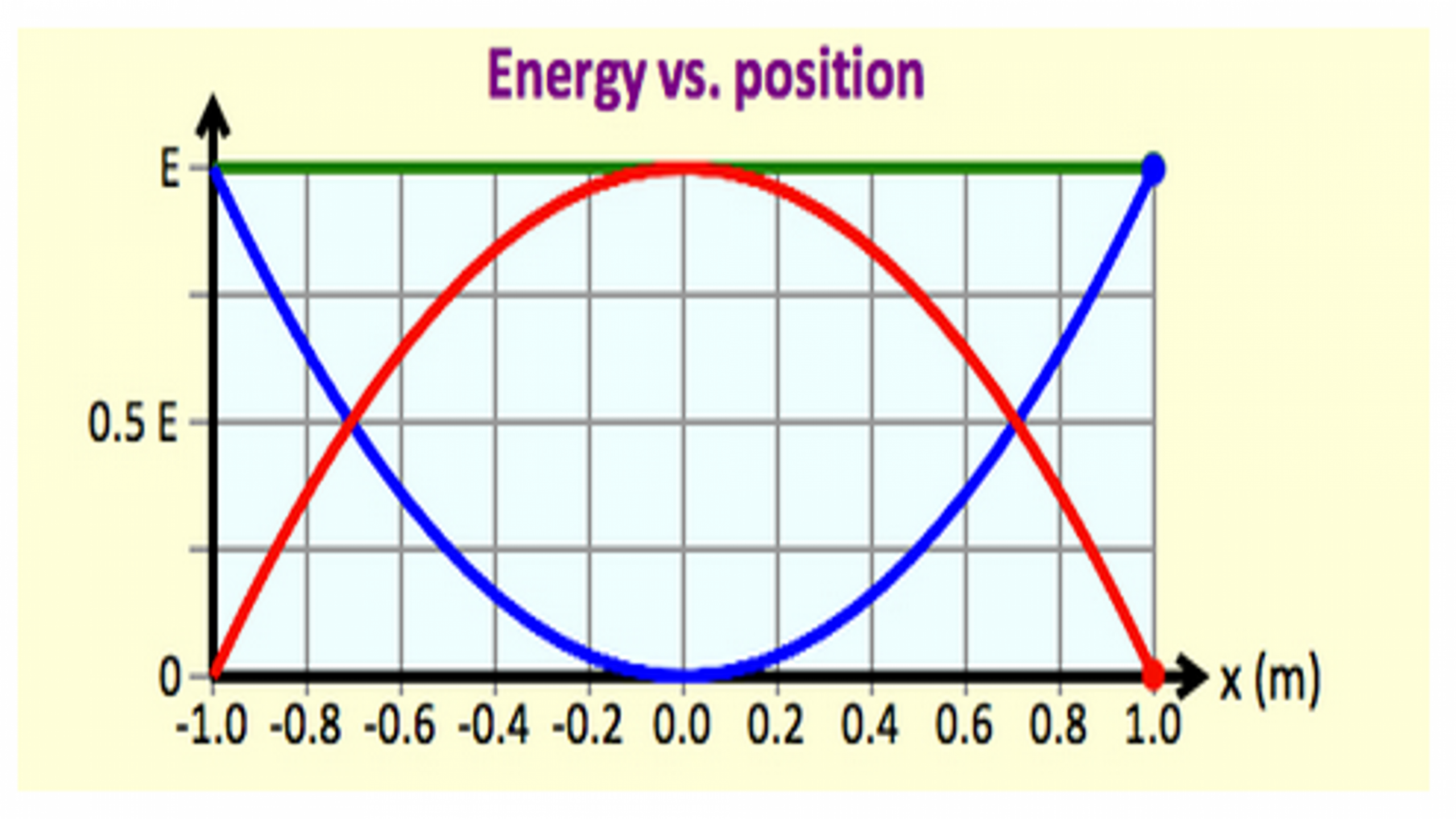
Time is a feature of energy as we experience it in our life, which is the most important manifestation of God’s energy to us. Experience in life is the localisation of spirit. Time, as energetic feature, is a conveyance that qualifies energetic states and locations. The quality of the soul as spirit in a linear succession of events composing a lived experience is the natural consequence of energy’s nature being causal to time, as energy produces causation itself. Time, as side-effect of energy, embodies the method by which energy generates causal physics. Therefore a causal universe is a godly universe and nothing short of it, in which Life itself is its most important element as central to all purpose. Energy is eternal and infinite, with each moment permanent. All things are permanent and will be accounted for, so, as hinted before, there are no secrets in actuality (Craig, 2002; Roe, 2025a).
Redirecting Technology for Spiritual Development

The narrative has been lost here in transhumanist conceptions of the future (Thacker, 2019). In reality, we are supposed to use computers to help train up humanity toward spiritual development so that computers can eventually become moot and unnecessary (Reinke, 2025). Computers, much like external governance, have but one legitimate goal in final obsolescence. The eventual goal should become to not need computers at all. If computing cannot help in this regard, it is useless to humanity. If the localised spirit can be naturally developed to a higher degree without it, then the purpose is that we will eventually attain to levels of existence that supersede the need for most technologies as conceived (Roe, 2025g). We should plan for that.
Machines as Crutches for Spiritual Growth
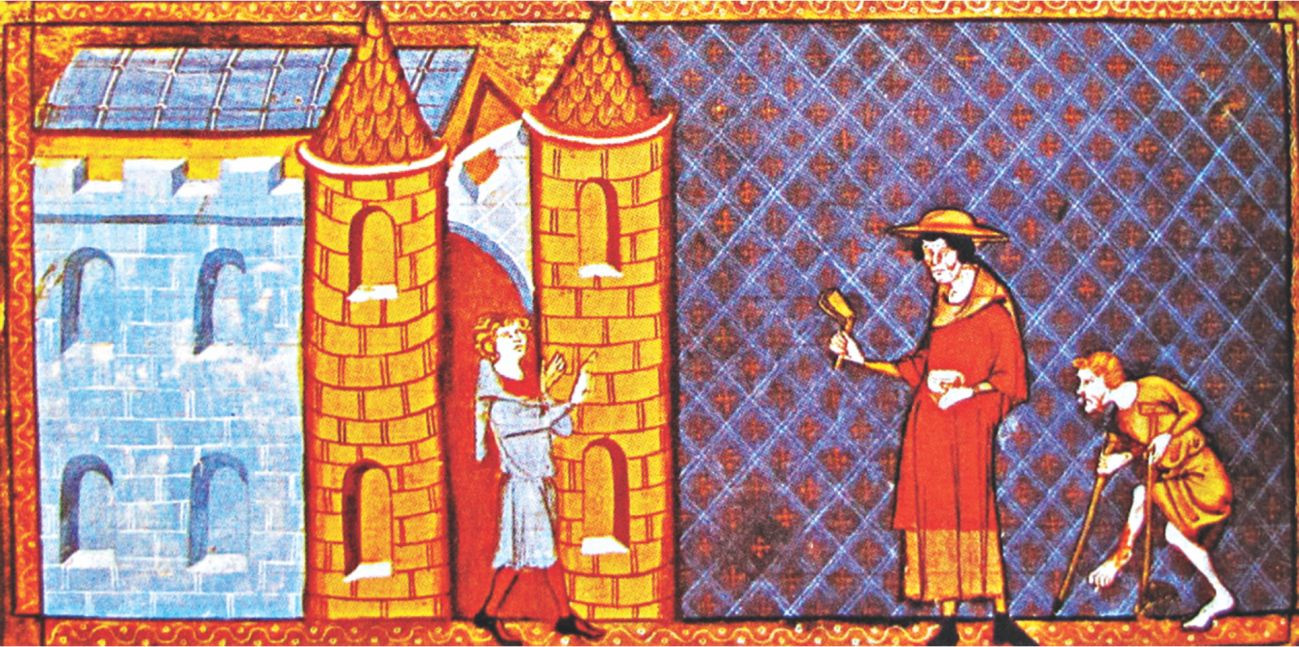
If machines are to be part of a programme of human improvement, it must be from without toward greater natural accomplishments. The machines must at first simply act as a crutch for the greater development of the latent spiritual connections. That is all we can expect of them, so we will build computer based trainers. Spirit before material means matter must serve spirit in all ways, and only toward its improvement (which is largely unknowable to humans outside self-death and attachment to God) (Piper, 1984). Material should never simply serve convenience, especially as toward detriment in degeneration (Roe, 2025d).
Spiritual Advancement for All

Throughout Christendom there exists a basic presumption that only priests need walk the path. The truth is the average person will not walk an identical path as many priests but they are as in need of improvement as anyone else. Why should priests be expected to advance more than anyone around them? If priests do their jobs, we should expect communities to progress exponentially in spirit, even beyond the clergy. People can always sense expectation. Leadership across human institutions fail in their expectations of the population, and this is understandable, because reality keeps appearing more terrible in many ways (Roe, 2025j).
Rising Above Pettiness and Promoting Virtues

The most substantial ability for a people is to rise above pettiness and do what is good, right, and true, regardless of the costs or consequences (Cassidy, 2025). We must produce leaders capable of looking beyond their own interests in the immediate future, out into the far-flung future. Solutions can be developed that help all people, but it starts at home and with the promotion of genuine virtues (Roe, 2025c). The penultimate and final virtues of justice, courage, and willpower are perfectly attuned to reason, so we need discourse. We all need to start having bigger conversations about our futures and the justice we would see there.
Justice and the Gift of Spirit
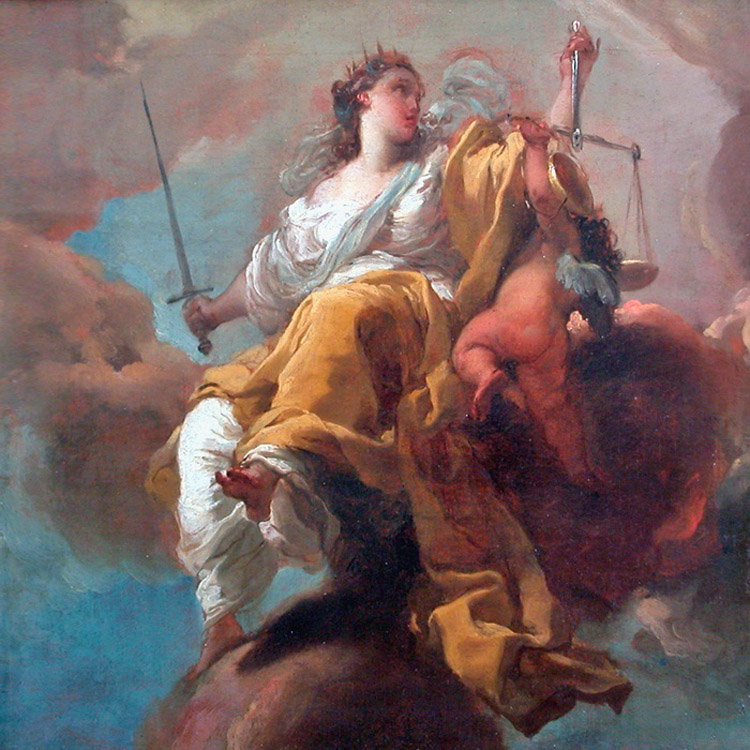
Justice is hated by criminals, and so criminals in politics can be expected to fool the population, use them, and then discard them. Morality has been turned inside out in all ways, shifting nations into being aligned against their own best interests. Deeper levels of communication exist for people turned toward the light, pneumatic and spiritually, which is tied to the intellectual, as active element inevitably turning us to divinity. That is a great gift of God. Spirit, our very lives, is the greatest gift God gave us, because it is a piece of Him (Swan, 2023). Ours, as fragment of Holy Spirit, is housed in His temple, and life’s material exists for this manifestation (Roe, 2025b). All this comes with a great amount of responsibility, for which we must begin to live up to.
References
Cassidy, D. P. (2025, February 5). The four cardinal virtues: A ancient guide to Christian faithfulness. https://www.davidpcassidy.com/blog/the-four-cardinal-virtues-a-timeless-guide-to-christian-faithfulness
Craig, W. L. (2002, July 23). God, time, and eternity. Reasonable Faith. https://www.reasonablefaith.org/writings/popular-writings/existence-nature-ofgod/god-time-and-eternity1
Denner, B. (2024, September 17). The apostle Paul’s teachings on the kingdom of God. Faith Church. https://wearefaith.org/blog/the-apostle-pauls-teachings-on-the-kingdom-of-god/
Ellison, M. D. (2012). Paul and James on faith and works. Religious Studies Center. https://rsc.byu.edu/vol-13-no-3-2012/paul-james-faith-works
Grudem, W. (2018, July 24). 10 things you should know about Christian ethics. Crossway. https://www.crossway.org/articles/10-things-you-should-know-about-christian-ethics/
Piper, J. (1984). What are the spiritual dangers of technology? Desiring God. https://www.desiringgod.org/interviews/what-are-the-spiritual-dangers-of-technology
Plasterer, R. (2025, July 11). How should Christians respond to transhumanism? Institute on Religion & Democracy. https://juicyecumenism.com/2025/07/11/how-should-christians-respond-to-transhumanism/
Reinke, T. (2025, February 14). The impact of technology on the Christian life. https://www.cslewisinstitute.org/resources/the-imapct-of-technology-on-the-christian-life/
Roe, M. (2025a, December 28). Eternal Dialogue of Prayer. virtues.blog. https://virtues.blog/eternal-dialogue-of-prayer/
Roe, M. (2025b, December 8). Faith on Fire. virtues.blog. https://virtues.blog/faith-on-fire/
Roe, M. (2025c, December 12). Humbler Path. virtues.blog. https://virtues.blog/humbler-path/
Roe, M. (2025d, December 24). Imperfection Points to Perfection. virtues.blog. https://virtues.blog/imperfection-points-to-perfection/
Roe, M. (2025e, December 16). Paradox of Progress. virtues.blog. https://virtues.blog/paradox-of-progress/
Roe, M. (2025f, December 19). Paulus in Chains. virtues.blog. https://virtues.blog/paulus-in-chains/
Roe, M. (2025g, December 22). Spiritual Sabotage. virtues.blog. https://virtues.blog/spiritual-sabotage/
Roe, M. (2025h, December 19). Stifling Sin. virtues.blog. https://virtues.blog/stifling-sin/
Roe, M. (2025i, December 25). Theological Virtues. virtues.blog. https://virtues.blog/theological-virtues/
Roe, M. (2025j, December 2). Weakness, Contradictions, and Faith. virtues.blog. https://virtues.blog/weakness-contradictions-and-faith/
Swan, B. (2023, March 29). The virtue of justice. Word on Fire. https://www.wordonfire.org/articles/contributors/the-virtue-of-justice/
Thacker, J. (2019, June 3). Transhumanism is yet another temptation to play God. The Gospel Coalition. https://www.thegospelcoalition.org/reviews/transhumanism-image-god/